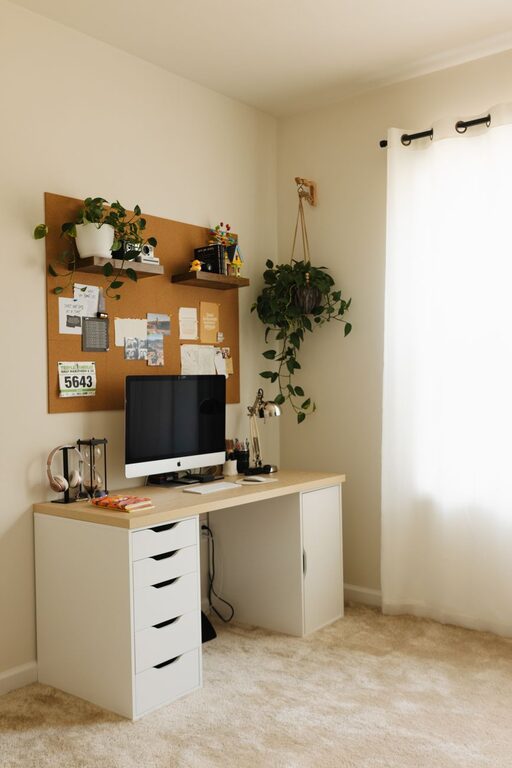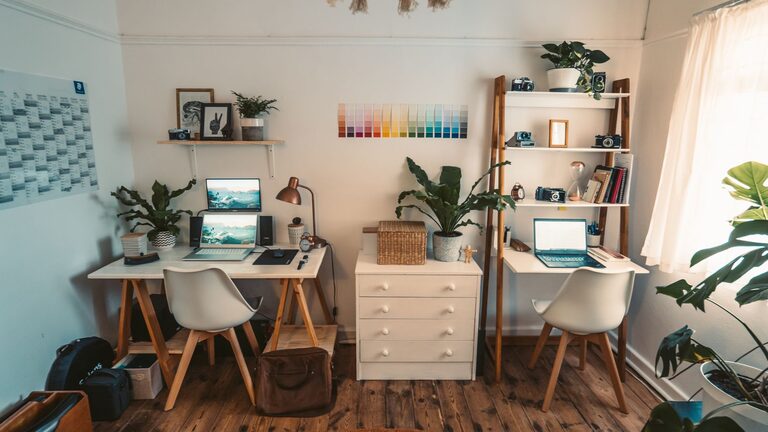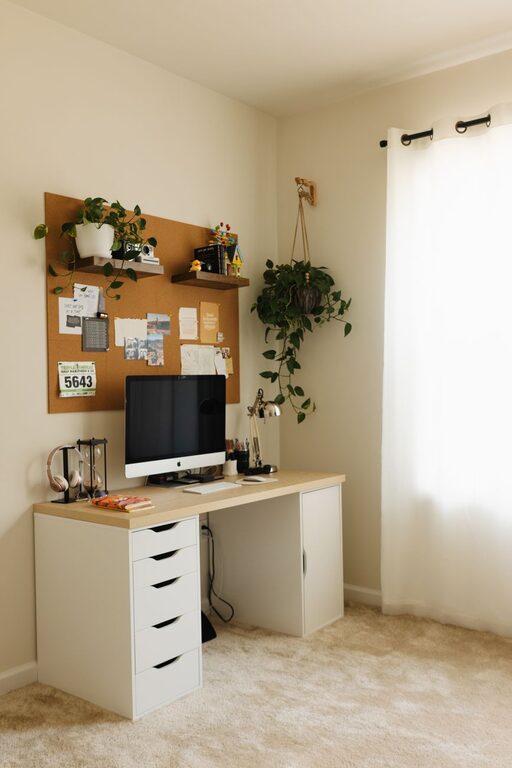
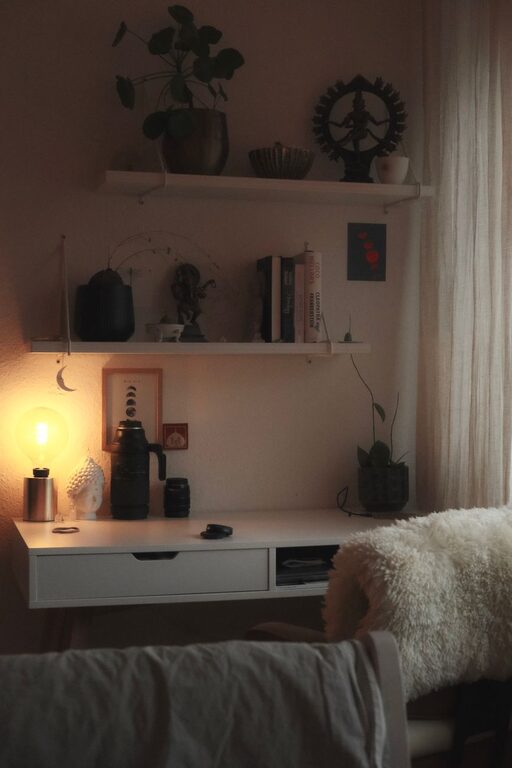
Creating a relaxing home workspace is essential for staying productive, especially as many people continue to work remotely or spend significant time at home. A well-designed workspace can help reduce stress, improve focus, and boost motivation throughout the day. If you’re looking to transform your home office into a calm and inspiring place, here are some practical tips to get started.
Why a Relaxing Workspace Matters
Your environment plays a big role in how you feel and perform. A cluttered, noisy, or uncomfortable space can lead to distractions, frustration, and fatigue. On the other hand, a peaceful and well-organized workspace encourages clear thinking and sustained energy. Creating a relaxing workspace is about balancing comfort, functionality, and aesthetics to support your daily tasks.
Choose the Right Location
Choosing the ideal spot for your home workspace is a foundational step.
– Quiet Area: Find a part of your home with minimal noise and foot traffic.
– Natural Light: If possible, position your desk near a window to benefit from natural daylight, which boosts mood and alertness.
– Temperature Control: Select a place where you can easily regulate temperature to stay comfortable.
If space is limited, use room dividers or screens to create a separate work zone and reduce distractions.
Invest in Comfortable Furniture
Comfort directly affects your ability to work efficiently.
– Ergonomic Chair: Choose a chair that supports your posture to prevent back and neck pain.
– Appropriate Desk: Your desk should be at a height that allows your arms to rest comfortably while typing.
– Adjustable Options: Standing desks or chairs with adjustable heights can help vary your posture throughout the day.
Comfortable furniture helps you stay focused for longer periods and minimizes physical discomfort.
Keep It Organized and Clutter-Free
Clutter can cause stress and make it harder to find important items.
– Storage Solutions: Use shelves, drawers, and organizers to keep essentials within reach but out of sight.
– Daily Cleanup: Spend a few minutes at the end of each day tidying your workspace.
– Minimal Decor: Choose a few meaningful but simple decorations to personalize without overcrowding.
A tidy workspace promotes a clear mind and reduces time wasted looking for things.
Use Soothing Colors and Lighting
Colors and lighting have a strong impact on mood and productivity.
– Soft Colors: Shades like light blue, green, or beige are calming and can help reduce anxiety.
– Adjustable Lighting: Use a combination of natural daylight, overhead lights, and desk lamps to avoid eye strain.
– Avoid Harsh Fluorescents: Opt for warm or daylight LED bulbs for a cozy atmosphere.
Good lighting and calming colors create a comfortable environment that’s easy on the eyes.
Incorporate Elements of Nature
Bringing nature indoors can boost your well-being and focus.
– Houseplants: Plants improve air quality and add a refreshing touch to your workspace.
– Natural Materials: Use wooden furniture, stone accents, or fabric textures to add warmth.
– Outdoor Views: If possible, arrange your space to face a garden or other natural scenery.
Nature helps create a peaceful vibe and can reduce feelings of stress.
Manage Noise and Distractions
Reducing noise is key for concentration.
– Noise-Canceling Headphones: These can be helpful if ambient noise is unavoidable.
– Soft Background Sounds: Some people find white noise or gentle music improves focus.
– Set Boundaries: Communicate your work hours to household members to minimize interruptions.
Creating a calm auditory environment supports deep work and concentration.
Personalize Without Overcrowding
Your workspace should feel inviting but not overwhelming.
– Inspirational Items: Display photos, quotes, or artwork that motivate you.
– Comfort Items: A cozy blanket or a favorite mug can add a personal touch.
– Limit Screen Time Decor: Avoid too many screens or gadgets unrelated to work.
Personal touches add warmth and personality, helping you feel more connected to your space.
Take Breaks and Move Around
Even a relaxing workspace can’t replace the benefits of regular breaks.
– Short Breaks: Step away from your desk every hour to stretch or walk.
– Change Posture: Use a standing desk or alternate sitting and standing.
– Mindfulness: Take a few minutes to practice breathing exercises or meditation.
Breaks refresh your mind and body, keeping productivity high throughout the day.
Keep Technology Organized and Updated
Technology tools should support, not disrupt, your work.
– Cable Management: Use clips or boxes to manage cords and reduce visual clutter.
– Essential Devices: Only keep necessary gadgets on your desk.
– Regular Updates: Keep software and hardware updated to avoid technical frustrations.
An organized technology setup saves time and limits distractions.
Final Thoughts
Designing a relaxing home workspace is an investment in your productivity and well-being. By choosing the right location, comfortable furniture, calming colors, and keeping things organized, you can create an inspiring environment that helps you stay focused and motivated. Remember, your workspace should fit your personal work style and needs, so take time to experiment and adjust until you find what works best. With these tips, you’re on your way to a more productive and pleasant work-from-home experience.
About the Author