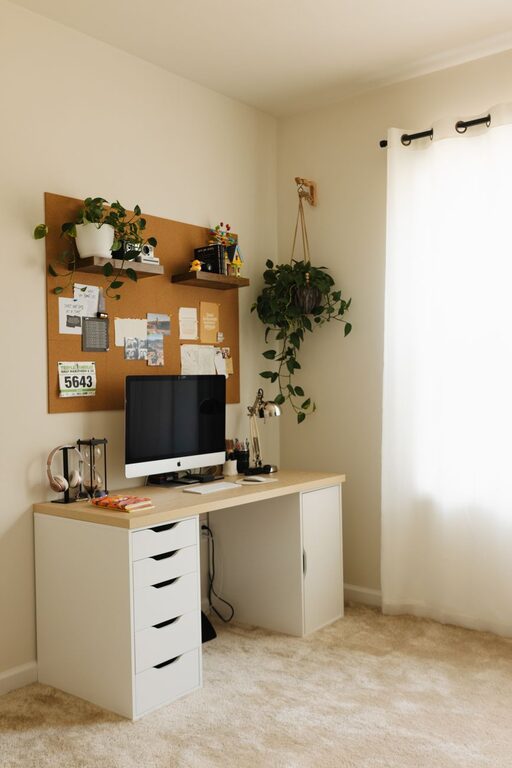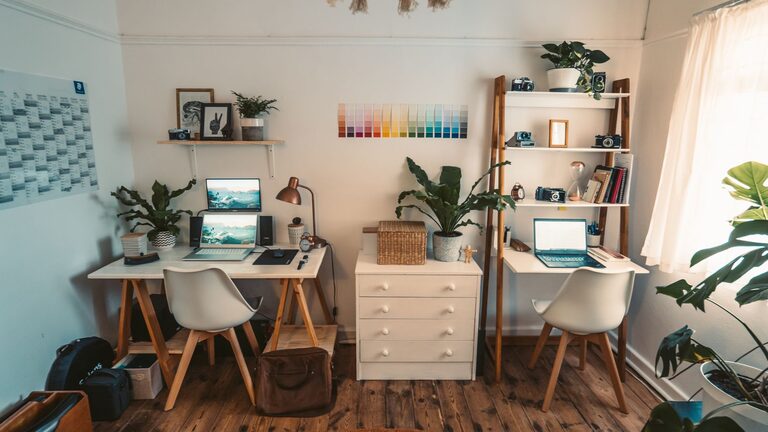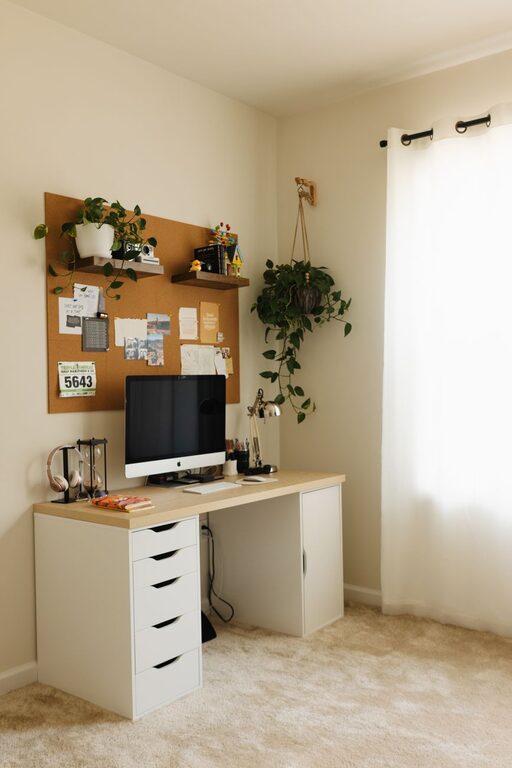
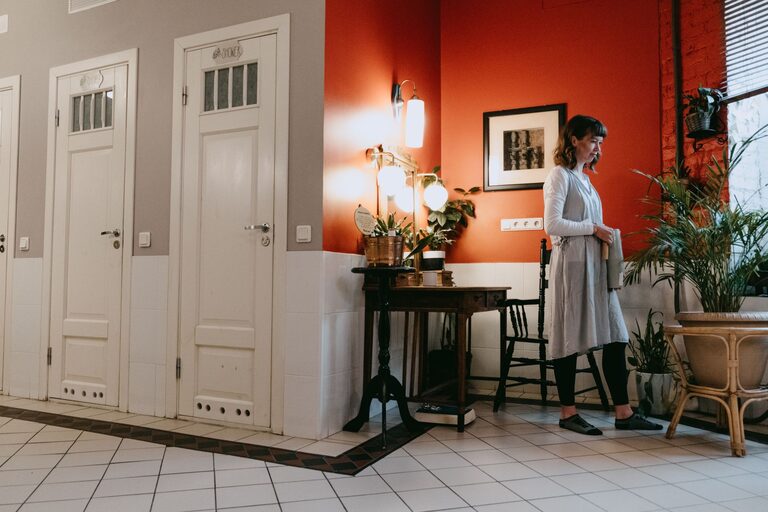
Creating a relaxing home environment is essential for boosting your overall well-being. Our homes should serve not just as a place to rest but as a sanctuary that nurtures our mental and emotional health. With a few thoughtful adjustments, you can transform your living space into a calming retreat that helps you unwind and recharge.
In this post, we’ll explore practical tips for designing a relaxing home environment, focusing on elements that promote tranquility and comfort.
Why a Relaxing Home Environment Matters
Your surroundings can significantly influence your mood and stress levels. A calming home environment reduces anxiety, improves sleep quality, and encourages positive habits. It’s where you spend much of your downtime, so making this space peaceful can have lasting benefits for your well-being.
Declutter and Organize for a Clear Mind
Clutter can create visual noise that contributes to stress and distraction. To build a relaxing environment, start by decluttering:
– Sort through belongings and keep only what you truly need or love.
– Use storage solutions like baskets, shelves, or boxes to keep things tidy.
– Keep surfaces like countertops and tables mostly clear.
A well-organized space feels more open and peaceful, making it easier to relax.
Choose Calming Colors
Colors influence our emotions. To promote relaxation, consider these tips when selecting paint or décor colors:
– Soft neutrals like beige, soft gray, and creamy white create a gentle atmosphere.
– Muted blues and greens are known for their calming effects and connection to nature.
– Avoid overly bright or intense colors in large areas, as they can be energizing rather than soothing.
You can also incorporate calming colors through pillows, rugs, or artwork for a flexible approach.
Use Natural Light and Soothing Lighting
Natural light has mood-boosting benefits, so maximize it by:
– Keeping windows clean and free of heavy drapes.
– Using sheer curtains to allow sunlight without harsh glare.
For evenings, choose warm, soft lighting over bright white lights:
– Table lamps, floor lamps, or wall sconces with warm bulbs help create a cozy atmosphere.
– Adding dimmer switches lets you control the light intensity based on your mood.
Introduce Natural Elements
Bringing nature indoors can restore calm and balance. Here are some ways to add natural touches:
– Houseplants improve air quality and add greenery that soothes the eyes.
– Natural materials like wood, stone, and cotton in furniture or décor create a grounding feel.
– Fresh flowers add beauty and a gentle fragrance.
Even small elements like a bowl of smooth stones or a small water fountain can positively affect your mindset.
Create Dedicated Relaxation Zones
Designate specific areas in your home meant for relaxation and mindfulness. This might include:
– A cozy reading nook with a comfortable chair and good lighting.
– A meditation corner with cushions and calming décor.
– A bath area equipped with soothing candles and bath salts.
Having dedicated spaces signals to your brain that it’s time to unwind, encouraging regular relaxation habits.
Keep Noise Levels Down
Excess noise can disrupt calm and increase stress. To manage noise:
– Use rugs and curtains which absorb sound and reduce echo.
– Play soft background music or nature sounds like flowing water or birdsong.
– Consider white noise machines if external noise is unavoidable.
Quiet surroundings help create a more restful environment.
Incorporate Comfort Through Textiles and Scents
Comfortable textures and pleasant scents contribute significantly to relaxation:
– Use soft blankets, plush pillows, and cozy rugs to make spaces inviting.
– Natural fabrics like cotton, linen, and wool enhance comfort and breathability.
– Aromatherapy with essential oils such as lavender, chamomile, or sandalwood can promote relaxation.
You might use diffusers, candles, or linen sprays to introduce soothing scents.
Maintain Cleanliness and Freshness
A clean home feels more refreshing and less overwhelming. Establish simple routines like:
– Daily tidying of common areas.
– Regular vacuuming and dusting.
– Keeping windows open occasionally to circulate fresh air.
Clean air and surfaces improve your comfort and well-being.
Personalize Your Space with Meaningful Items
Surround yourself with items that bring you joy and peace:
– Display photos of loved ones or favorite places.
– Incorporate artwork that inspires calm or happiness.
– Avoid overcrowding; keep personal items intentional and balanced.
Personal touches make your home feel warm and welcoming.
Summary
Creating a relaxing home environment is achievable through mindful choices and small changes. Focus on decluttering, using calming colors and light, bringing in natural elements, and setting up spaces dedicated to relaxation. Comfort, cleanliness, and personalization also play key roles in enhancing well-being. With these tips, your home can become a true sanctuary for rest and rejuvenation.
About the Author